Source Traditional Chinese Medicine Tea Bag for Wellness, Retail, and Gifts
Source traditional chinese medicine tea bag options from 30 verified listings. Compare packaging styles, MOQs, and customization features to find suitable herbal blends for health tea retail and private labeling; compare the available evidence and request quotations based on your requirements.
Key considerations
Products List




Comprehensive Sourcing Guide
Traditional Chinese Medicine Tea Bag Sourcing Guide
Sourcing traditional Chinese medicine tea bags requires a nuanced understanding of both herbal formulation and packaging engineering. Buyers must distinguish between loose-leaf herbal blends and pre-packaged tea bags, as the latter introduces specific constraints regarding filtration efficiency and material compatibility. The observed market data indicates a diverse range of products, from lung-cleaning teas to slimming blends, all packaged in standardized formats. This diversity necessitates a rigorous verification process to ensure that the selected supplier can handle the unique physical properties of traditional herbs, such as coarse roots or fine powders, without compromising the integrity of the tea bag structure.
Procurement teams should also consider the customization capabilities of potential suppliers, as branding and specific herbal ratios often drive product differentiation. The availability of customization for length, width, and logo suggests that many manufacturers offer flexible production lines tailored to private label requirements. However, buyers must balance these customization options with minimum order quantities, which can vary significantly across different product models. Understanding these commercial dynamics is essential for aligning procurement strategies with inventory management goals, ensuring that the final product meets both quality standards and market demand without excessive capital tie-up.
Product Scope and Observed Listing Signals
The current market landscape for traditional Chinese medicine tea bags reveals a wide spectrum of product types, including health teas, slim teas, and specific formulations like peach oolong or lung-cleaning blends. Observed listings highlight variations in style, such as tea bags and loose tea, indicating that suppliers may offer multiple packaging formats to suit different consumer preferences. The presence of natural resource claims and specific active substance content ranges suggests that buyers should focus on products that clearly define their herbal composition. This transparency is crucial for ensuring that the tea bags deliver the intended therapeutic or wellness benefits associated with traditional Chinese medicine practices.
Packaging specifications vary considerably, with some products offering 3g x 12 bags per box and others providing larger bulk quantities like 50 bags per box. The observed packaging materials include paper and box formats, with some listings specifying bio-degradable features for the tea bag strings. These details are critical for buyers targeting eco-conscious markets or those with specific sustainability goals. Additionally, the presence of machinery test reports and warranty information for some listings indicates that certain suppliers invest in quality assurance infrastructure, which can be a valuable indicator of their manufacturing capabilities and reliability in producing consistent, high-quality tea bag products.
Technical Specifications to Verify
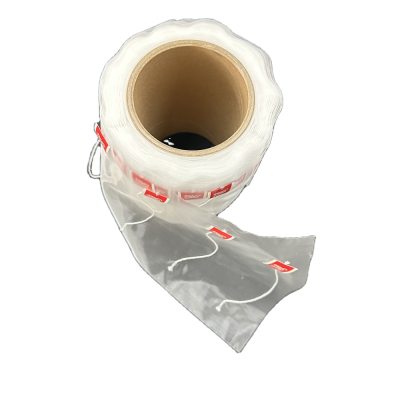
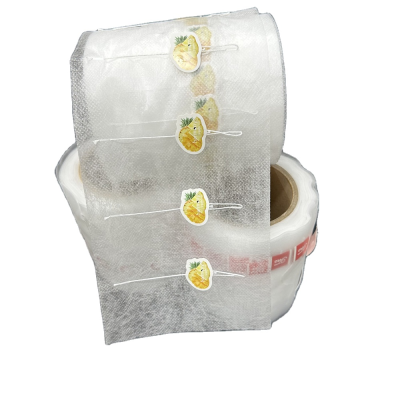
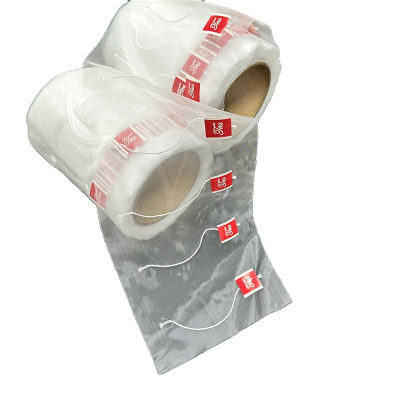
When evaluating technical specifications, buyers must prioritize the physical dimensions and material composition of the tea bags to ensure compatibility with automated packaging lines. Observed data indicates standard sizes such as 140mm, 160mm, and 180mm, with string lengths ranging from 130mm to 170mm. These dimensions directly impact the brewing experience and the ease of use for consumers, making it essential to verify that the selected product aligns with the intended usage scenario. Furthermore, the shape of the bag, whether seal bags or back seal bags, affects the surface area available for herb expansion, which is particularly important for traditional Chinese medicine ingredients that may require more space to release their flavors and active compounds.
The production process, often cited as heat sealing, plays a critical role in maintaining the structural integrity of the tea bag during storage and transport. Buyers should verify that the sealing process is robust enough to prevent leakage or tearing, especially when dealing with heavier or sharper herbal pieces. Additionally, the shelf life of the product, typically exceeding 12 months, should be confirmed through proper storage method guidelines, such as normal storage conditions. Understanding these technical parameters helps buyers assess the durability and quality of the product, ensuring that the tea bags remain intact and effective until they reach the end consumer.
Compliance and Safety Documentation
Compliance and safety documentation are paramount when sourcing traditional Chinese medicine tea bags, given the regulatory scrutiny surrounding herbal products. Buyers should request machinery test reports and warranty information, which can provide insights into the manufacturing standards and quality control measures employed by the supplier. These documents help verify that the production equipment meets industry standards for hygiene and efficiency, reducing the risk of contamination or inconsistency in the final product. Additionally, buyers must ensure that the supplier adheres to relevant food safety regulations, particularly regarding the sourcing and processing of herbal ingredients, to mitigate potential health risks associated with contaminated or adulterated products.
The origin of the product, whether from Hangzhou, Zhejiang, Hebei, or Yunnan, can also influence compliance requirements, as different regions may have varying regulatory frameworks. Buyers should verify that the supplier provides clear documentation on the origin of the raw materials, ensuring that they are sourced from reputable and regulated suppliers. This transparency is essential for maintaining traceability and accountability throughout the supply chain. Furthermore, buyers should inquire about any specific certifications or standards that the supplier adheres to, such as organic or fair trade certifications, to align with their brand values and meet the expectations of their target market.
Cost Drivers and Commercial Terms
Cost drivers in the traditional Chinese medicine tea bag market are influenced by factors such as raw material quality, packaging complexity, and customization requirements. The observed minimum order quantities (MOQs) range from 1 to 6000 boxes, indicating that smaller orders may incur higher per-unit costs due to setup and production inefficiencies. Buyers should carefully evaluate their volume requirements to negotiate favorable pricing and avoid excessive inventory costs. Additionally, the customization options available, such as logo printing and specific bag dimensions, can impact the overall cost, so buyers should balance their branding needs with budget constraints to achieve the best value.
Commercial terms, including payment methods and delivery schedules, also play a significant role in the total cost of ownership. Buyers should negotiate clear terms regarding lead times and shipping responsibilities to avoid unexpected delays or additional expenses. The observed packaging formats, such as 120 boxes per carton, can affect shipping efficiency and costs, so buyers should consider the logistics implications when planning their procurement strategy. By understanding these cost drivers and commercial terms, buyers can make informed decisions that optimize their supply chain efficiency and maximize their return on investment.
Supplier Qualification and Quality Control
Supplier qualification is a critical step in ensuring the reliability and consistency of traditional Chinese medicine tea bag supplies. Buyers should assess the supplier’s manufacturing capabilities, including their production process and quality control measures, to verify that they can meet the required specifications and standards. The presence of machinery test reports and warranty information can serve as indicators of a supplier’s commitment to quality, but buyers should also conduct on-site audits or request third-party inspections to gain a deeper understanding of their operational practices. This due diligence helps mitigate the risk of receiving substandard products and ensures that the supplier can consistently deliver high-quality tea bags.
Quality control measures should extend beyond the final product to include the sourcing of raw materials and the production process. Buyers should verify that the supplier implements rigorous testing protocols to ensure the purity and potency of the herbal ingredients, as well as the structural integrity of the tea bags. Additionally, buyers should establish clear communication channels with the supplier to address any quality issues promptly and effectively. By prioritizing supplier qualification and quality control, buyers can build a robust supply chain that supports their brand reputation and customer satisfaction.
Long-Term Procurement Checks
Long-term procurement checks are essential for maintaining the quality and reliability of traditional Chinese medicine tea bag supplies over time. Buyers should establish regular review processes to assess supplier performance, including metrics such as delivery times, product quality, and responsiveness to issues. These reviews help identify potential problems early and allow for corrective actions to be taken before they impact the supply chain. Additionally, buyers should monitor market trends and regulatory changes that may affect the sourcing of herbal ingredients or packaging materials, ensuring that their procurement strategy remains aligned with industry best practices and customer expectations.
Continuous improvement initiatives, such as supplier development programs and collaborative innovation projects, can also enhance the long-term value of the procurement relationship. By working closely with suppliers to identify opportunities for cost reduction, quality enhancement, and sustainability improvements, buyers can create a more resilient and competitive supply chain. Furthermore, buyers should maintain open lines of communication with their suppliers to foster trust and collaboration, ensuring that both parties are aligned on goals and expectations. This proactive approach to long-term procurement checks helps secure a stable and high-quality supply of traditional Chinese medicine tea bags, supporting the buyer’s business objectives and market success.
FAQs
What packaging options are available for traditional chinese medicine tea bags?
The product is available in box packaging with a standard specification of 3g per 12 bags. Each carton contains 120 boxes, and the packaging material is primarily paper. Customization of the box design is available for bulk orders, ensuring brand visibility while maintaining product integrity during storage and shipping.
Can I customize the size and logo of the tea bags?
Yes, customization is available for length, width, and logo placement. The tea bags are produced using heat sealing processes and come in standard lengths of 130mm, 170mm, or 180mm. Buyers can specify their preferred dimensions and branding elements to align with their specific market requirements and product identity.
What is the minimum order quantity for these herbal tea products?
The minimum order quantity varies by product type. For specific tea bag models, the MOQ is 120 boxes. For other related packaging or roll-based items, the MOQ can be as high as 6000 units. Buyers should verify the exact MOQ based on the specific product model and packaging configuration they intend to order.
Where are these traditional chinese medicine tea bags manufactured?
The products originate from multiple locations in China, including Hangzhou in Zhejiang province, Hebei province, and Yunnan province. These regions are known for their herbal resources and manufacturing capabilities. Buyers can select suppliers based on their preferred origin to ensure alignment with sourcing strategies and logistical preferences.
What is the shelf life and storage requirement for the tea?
The shelf life is greater than 12 months when stored under normal conditions. The product is classified as a health tea or herbal tea, often featuring natural resources. Proper storage in a cool, dry place is recommended to maintain the quality and efficacy of the active substances, which range from 0% to 30%.
Are the tea bags made from biodegradable materials?
Yes, certain tea bag options are designed to be bio-degradable. These bags are typically made from paper materials and feature a back seal design. They are available in various shapes and sizes, including seal bags, to meet environmental standards while providing a convenient and sustainable packaging solution for herbal tea products.